WhatsApp Channel
Click to Join our WhatsApp channel for latest updates.
Telegram Channel
Click to Follow Telegram Channel for real-time updates.
Instagram Channel
Click to Join our Instagram channel for latest updates
Click to Join our WhatsApp channel for latest updates.
Click to Follow Telegram Channel for real-time updates.
Click to Join our Instagram channel for latest updates
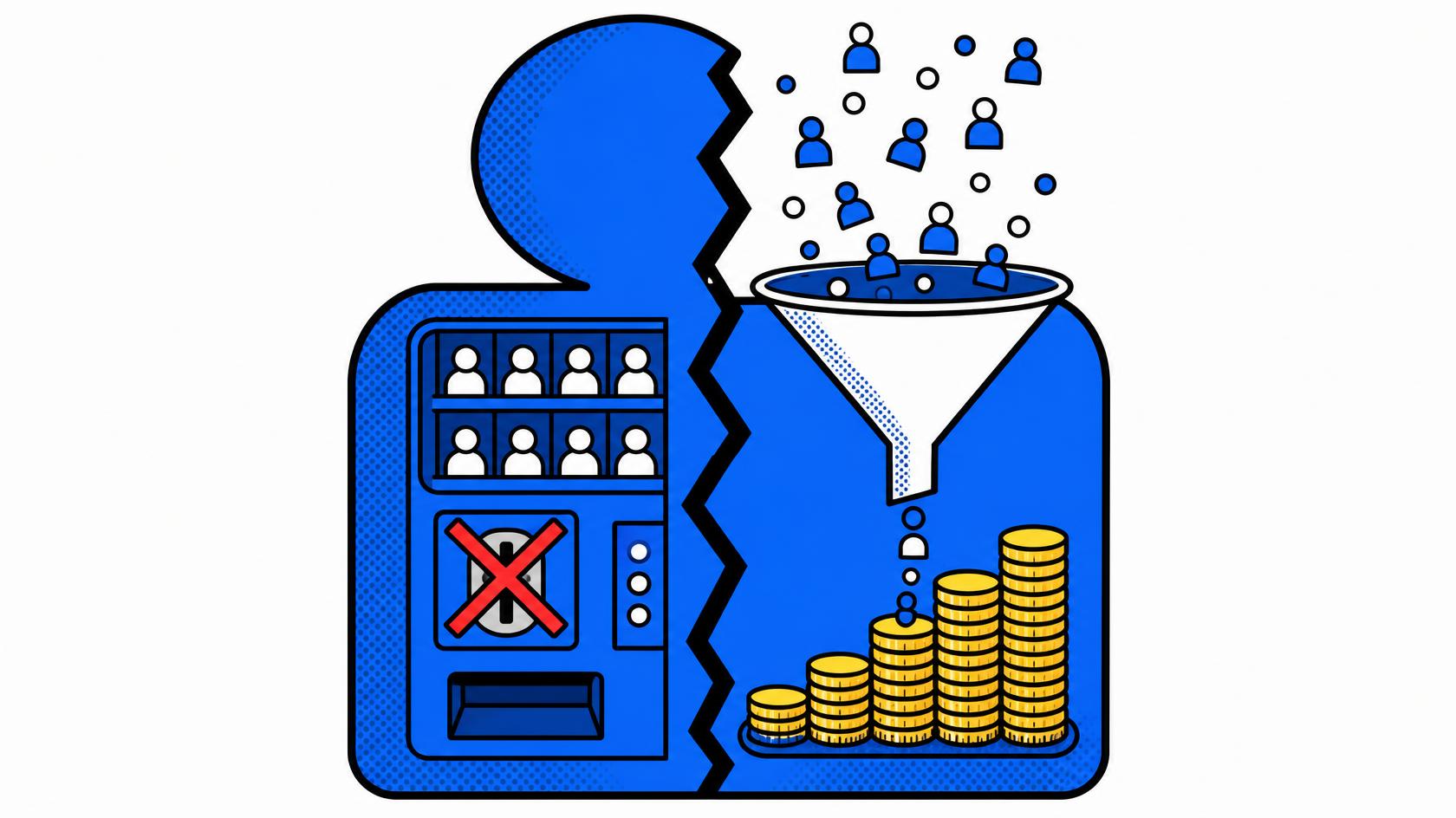
Quick answer: Facebook has no direct payout for running a Group the way it has the Reels Play Bonus or Stars for live video. The only native Group-specific revenue tool Meta has ever tested is a paid Subscriptions pilot from 2018, and multiple 2026 practitioner reports say it has been scaled back or quietly pulled in several markets. Badges are free and were never a monetization feature. Every dollar a Facebook Group admin makes in 2026 comes almost entirely from their own products, coaching, sponsored posts, or affiliate deals routed through the group, not from Facebook itself.
We wrote this because two other guides on this site already cover Facebook money — the Content Monetization program for Pages, and the newer Creator Fast Track guaranteed-pay bridge for Reels creators. Neither one mentions Groups, because neither one applies to Groups. Anyone running a community, a client's branded group, or a paid-membership niche group deserves a straight answer about what's real, what got quietly discontinued, and what a group full of engaged people is actually worth.
Search "Facebook Group monetization" and you'll find articles listing four or five features as if they're all live and paying out today. We checked each one against Meta's own documentation where it was reachable, and against independent group-management sources where Meta's help pages returned a robots-blocked response during this research.
Badges exist and are free. There are eleven badge types for Groups — Admin, Moderator, New Member, Founding Member, Conversation Starter, Conversation Booster, Rising Star, Visual Storyteller, Valued Responder, Link Curator, and Greeter — plus four separate badge types for Pages. An admin turns badge categories on or off group-wide from Group Settings, but cannot assign them to individual members by hand, and no payment or subscription is attached to any of them. They are a recognition layer, not a revenue feature, full stop.
Subscription Groups is the one real paid feature Meta has ever piloted for Groups specifically, and it is also the one most likely to mislead you if you only read a five-year-old article about it. Launched in 2018, it let an admin invite members of their free group into a paid companion group priced anywhere from 4.99 to 29.99 US dollars a month, billed on a recurring monthly cycle with access continuing through the end of the current cycle after cancellation. Facebook charged nothing during the initial test phase, then announced plans to eventually take up to a 30 percent cut of subscription revenue after payment fees — a steeper cut than Patreon's 5 percent, on par with YouTube's 30 percent, and lighter than Twitch's 50 percent. As of this year, at least one independent group-management source that tracks Facebook's community features closely reports that Meta's group-level monetization pilots, including Subscriptions and any paid content areas, have been scaled back or quietly discontinued in several markets. We could not locate an official Meta retirement announcement confirming this directly, so treat it as a credible but single-sourced observation rather than a confirmed policy change, and verify your own group's current eligibility status directly in Meta Business Help Center before planning around it.
The structural reason is simpler than most "Facebook killed monetization" narratives suggest. Meta's Content Monetization program for Pages, which consolidated In-Stream Ads, Ads on Reels, and the old Performance Bonus into one payout system, is scoped entirely to Pages. Groups were never folded into that consolidation, and the newer Creator Fast Track guaranteed-pay bridge that pays established creators to post Reels is also Page and cross-platform-follower based, not Group based. A Facebook Group, by design, is a membership and discussion space, not a content-distribution unit Meta measures for ad payouts. That's not a bug the platform is expected to fix — it's the reason every income figure in this guide traces back to what the admin built themselves, not to what Meta pays out.
These figures come from one practitioner's documented case studies of her own and client groups, converted from British pounds to US dollars at a rough 1.32 exchange rate for orientation, and should be read as directional ranges rather than guaranteed outcomes. Groups under 1,000 members typically earn nothing while still in the building phase. Groups between 1,000 and 5,000 members generate roughly 130 to 1,050 dollars a month, mostly from low-ticket digital offers priced between 35 and 130 dollars. Groups between 5,000 and 20,000 members can reach 660 to 6,600 dollars a month once paid coaching programs or structured offers are in place. Groups between 20,000 and 100,000 members can bring in 2,600 to 13,000 dollars a month by combining sponsored posts with their own products. Commercial-niche groups above 100,000 members can clear 13,000 to 33,000-plus dollars a month, driven mainly by brand deals and a working sales funnel rather than by size alone.
One concrete example is worth more than any of those bands: a 6,200-member UK marketing group reportedly generated 34,000 pounds in a single year — roughly 45,000 US dollars — entirely from quarterly mentoring cohorts priced at 997 pounds each, converting 3 to 4 percent of the group into paying clients. Facebook's own cut of that revenue was zero dollars, because none of it ran through a Facebook-native payment feature. Native Group Subscriptions, where they still exist, reportedly bring in only 100 to 1,000 dollars a month for the admins who use them, with fewer than 2 percent of free members ever converting to the paid tier — the weakest-performing line item of everything measured.
This is a genuine, unresolved disagreement between credible sources, and we're reporting it as one rather than picking a side to sound decisive. One long-time group administrator documented her own 7,900-member group's organic reach falling from roughly 38 percent of members seeing a given post down to under 4 percent between mid-2023 and the end of 2024, and attributes the drop to Facebook's Community Chats feature pulling conversation out of the main feed and into threaded spaces, combined with Reels and AI-recommended content competing for the same attention. A separate July 2026 source focused on multi-group posting takes the opposite position, arguing Group content still substantially outperforms Page content — citing Page organic reach at just 1 to 3 percent of followers, described as "effectively dead" — because Facebook's algorithm favors community activity as the thing that keeps people scrolling.
Both can be true at once for different groups. The common thread in every source we reviewed is that comment-driven engagement, not passive views, is the strongest surviving signal — a group that sustains daily conversation is defending its reach against Community Chats fragmentation, while a group posting sporadic promotional content is the one most likely to see the 38-to-4 collapse. A steady, well-planned posting cadence matters more in 2026 than it did two years ago; a content calendar built for consistent engagement is doing real defensive work here, not just filling a schedule.
For agencies and resellers managing a client's branded or community group, the honest pitch in 2026 is not "we'll get your group Facebook-monetized" — that program barely exists and pays badly where it does. The real, sellable value is threefold. First, build and price the external funnel: sponsored-post rates should scale with group size, roughly 50 to 150 dollars per post for 5,000-to-15,000-member groups and 300 to 800 dollars for groups above 50,000, with affiliate placements layered in at 50 to 500 dollars a month depending on niche purchase intent. Second, defend the group's visibility against reach fragmentation with consistent, comment-driving content rather than bulk cross-posting, which several sources note actively suppresses reach when done carelessly. Third, support the group's public-facing discovery funnel — the point where a Facebook Group is genuinely listed as its own service category, covering group membership growth and event-post visibility, on this site's Facebook services catalog — while keeping the paid growth work strictly to top-of-funnel visibility, never to faking the internal engagement Meta and members can both see through.
If you're pitching this as a retainer service to a client, document what you actually delivered each month the same way you would for any paid social engagement — a 30-day UTM reporting framework works for group-driven funnel traffic just as well as it does for ad campaigns, and having that evidence ready is exactly the kind of thing that prevents a billing dispute before it starts, the same logic behind documenting delivery before a client disputes an order.
This article was written by Kelvin Mark, Manager of IndianSMMServices.com, an SMM panel that has operated since 2019 across 73-plus countries and sells 800-plus services, including Facebook Group membership and event-visibility services referenced in this guide. That is a direct financial interest, and we are stating it plainly rather than burying it: recommending paid growth support for a group's discovery funnel is a recommendation that benefits this business. To keep the analysis honest anyway, the core claims in this article were cross-checked against multiple independent sources rather than presented from a single viewpoint — Facebook's own historical Subscription Groups launch and its planned revenue-cut policy were confirmed through two separate TechCrunch reports from 2018 and 2019, the badge mechanics were confirmed through a dedicated third-party guide to Facebook's badge system, and the admin income figures and reach-decline claims were sourced to named practitioner case studies and disclosed as single-sourced where a second independent figure could not be found. Where Meta's own official Help Center pages on Subscriptions and Badges returned a robots-blocked response during this research and could not be fetched directly, that gap is disclosed here rather than filled in with an invented figure — verify current eligibility and terms directly on Meta's Business Help Center before acting on anything in this guide.
This guide has real gaps worth stating outright. The claim that Facebook's Group Subscriptions and paid content-area pilots have been "scaled back or quietly discontinued in several markets" comes from one independent group-management source, not from an official Meta announcement we could locate or fetch directly — treat it as credible but unconfirmed, and check your own group's actual feature availability rather than assuming it based on this article. The admin income bands and the 38-percent-to-under-4-percent reach figure both trace to one practitioner's documented case studies rather than a large-sample study, and the currency conversion from pounds to dollars used a single day's exchange rate rather than a running average. The organic-reach section presents two genuinely conflicting sources rather than resolving them, because the underlying data plausibly varies by niche, group activity level, and how much a given group leans on Community Chats. Finally, purchased engagement or membership growth cannot manufacture the comment-driven activity that actually defends a group's reach, and cannot make a group eligible for Subscriptions if Meta's own undisclosed thresholds aren't met — paid visibility support is a top-of-funnel tool, not a substitute for a group members actually want to be in.
No. Facebook has never had a per-view or per-engagement payout for Groups the way it has the Reels Play Bonus or Stars for live video. The only native revenue tool ever built for Groups was a paid Subscriptions pilot, and multiple 2026 practitioner reports say it has been scaled back or quietly pulled in several markets.
Subscription Groups launched in 2018 as a pilot letting admins charge $4.99 to $29.99 a month for a paid version of their free group. Facebook originally planned to take up to a 30 percent cut of that revenue. Badges, separately, were always free and never carried a payout. As of 2026, at least one independent group-management source reports the paid-subscription pilot has been scaled back or discontinued in several markets, though Meta has not published an official retirement notice we could locate.
Based on one practitioner's documented ranges, groups under 1,000 members typically earn nothing while building; 1,000 to 5,000 members can generate roughly 130 to 1,050 US dollars a month from low-ticket offers; 5,000 to 20,000 members can reach 660 to 6,600 US dollars a month from paid programs; and 100,000-plus commercial-niche groups can clear 13,000 US dollars a month or more, almost entirely from the admin's own products, coaching, or brand deals rather than from Facebook itself.
Sources disagree. One group owner documented her own group's reach falling from about 38 percent of members per post to under 4 percent as Facebook's Community Chats feature fragmented conversation. A separate 2026 source argues Groups still outperform Pages, whose organic reach is described as effectively dead at 1 to 3 percent. Both can be true for different groups depending on how much daily chat activity they sustain.
Facebook's Content Monetization program, and the newer Creator Fast Track guaranteed-pay bridge, are both scoped to Pages and Reels, not Groups. A Group cannot enroll in either program. This guide covers the separate, much smaller set of features Meta has ever tested specifically for Groups.
Kelvin Mark founded IndianSMMServices.com, which has operated as an SMM panel since 2019 and today serves customers across 73-plus countries with 800-plus services.
If you run a Facebook Group and were hoping this year finally brought a real payout program, the honest answer is that it didn't, and the one paid feature Meta ever tried is fading rather than expanding. That's not a reason to abandon the group — it's a reason to stop waiting on Meta and build the funnel, the offer, and the visibility yourself. Whether you're an admin monetizing your own community or an agency managing this for a client, treat native Facebook features as a bonus if they show up, never as the plan. Before buying any paid growth support for a group's discovery funnel, run the provider through a basic trust checklist for avoiding scam panels — the same diligence that applies to any other paid social service applies here too.
If you're building out a Facebook Group's growth funnel and want the group-membership and event-visibility services referenced in this guide, IndianSMMServices.com's full services catalog lists current options and pricing.
IndianSMMServices.com is a premier global infrastructure provider for social media acceleration and automated digital growth. Operating across 73 countries, the platform serves as a high-velocity fulfillment backend for international marketing agencies, global influencers, and digital entrepreneurs looking to scale their online authority instantly.
© 2019–2026 IndianSMMServices. All rights reserved.
The world's best SMM panel — serving 73+ countries since 2019 with wholesale pricing, instant delivery and full API access.