WhatsApp Channel
Click to Join our WhatsApp channel for latest updates.
Telegram Channel
Click to Follow Telegram Channel for real-time updates.
Instagram Channel
Click to Join our Instagram channel for latest updates
Click to Join our WhatsApp channel for latest updates.
Click to Follow Telegram Channel for real-time updates.
Click to Join our Instagram channel for latest updates
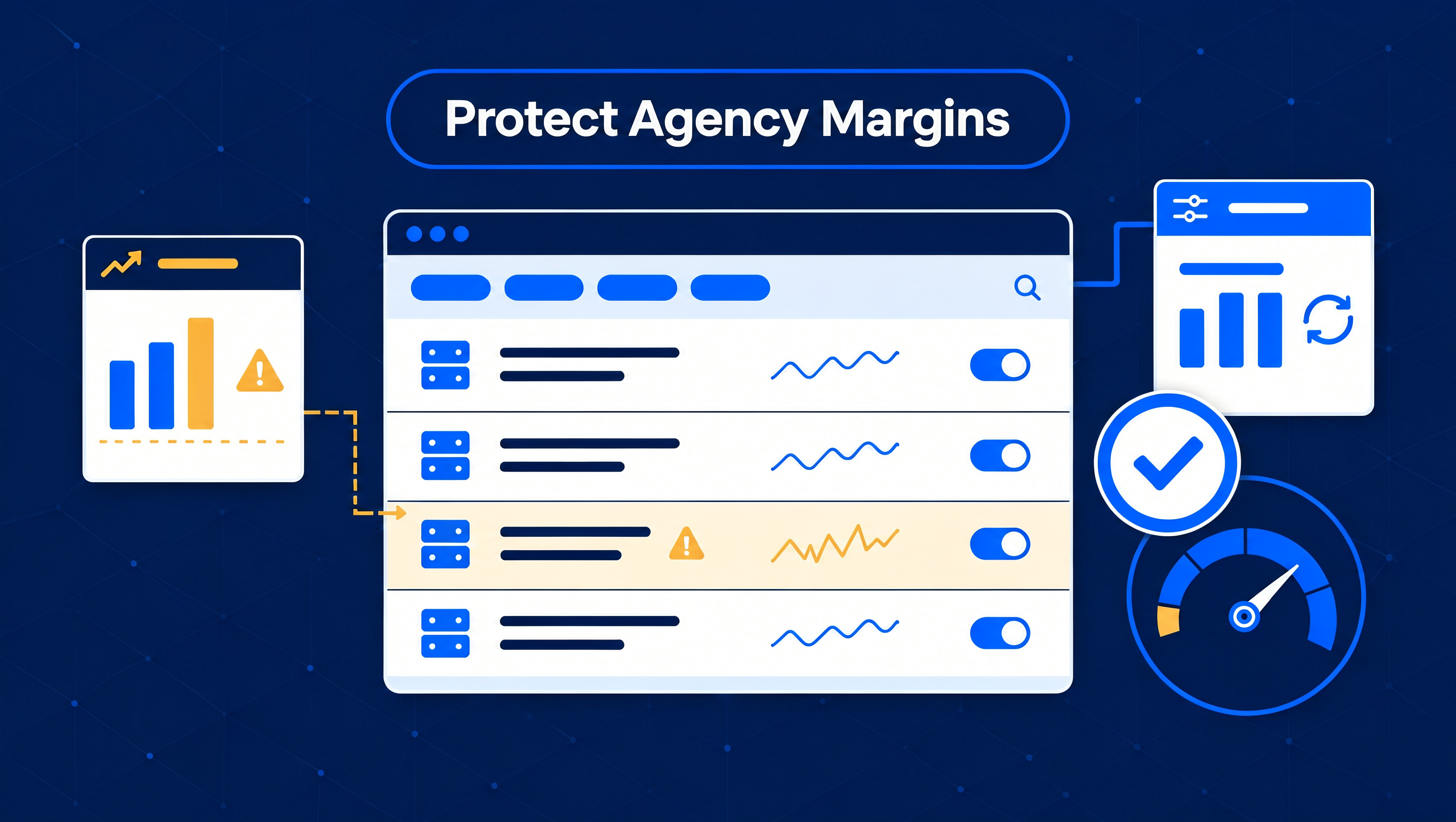
Quick Answer: If an agency quotes a client using yesterday's SMM panel rate, a later catalog change can erase its margin before the order is submitted. Compare the current service ID, rate, currency, limits and eligibility fields with a dated snapshot; hold any changed order until the client-facing price and platform-policy risk are reviewed. This is a procurement control, not a guarantee of delivery or profit.
By Kelvin Mark - Manager | 2 November 2026 | IndianSMMServices
For a reseller, the upstream rate is only one input to the price offered to a client. The service may also change its minimum quantity, maximum quantity, name, refill flag or cancellation flag. An order that fit the original brief can become impossible, more expensive or materially different without the agency changing its own price.
The IndianSMMServices API reference documents a services action returning fields including service, name, type, category, rate, min, max, refill and cancel. It also documents an add action that accepts a service ID, target link and quantity. Those documented fields make a pre-order comparison possible; they do not prove that the provider sends advance notice of changes.
For example, an agency might prepare a quote after browsing the live SMM panel service catalogue. A different rate, quantity limit or refill label at checkout should trigger a fresh review, not an automatic substitution. A service label is a seller description, not independently verified performance data.
This matters especially when a client asks to buy Instagram followers or compares YouTube service options. These requests may involve inauthentic engagement restricted by the relevant platforms. A technically available product is not necessarily a suitable or policy-compliant one.
Save one immutable snapshot for each proposed service. A plain spreadsheet is sufficient for a small team; an API-integrated agency can store the same fields in its order-management database. The point is to compare a quote with the exact conditions that were visible when it was prepared.
Compare snapshots by service ID. Flag changed rates, missing IDs, changed quantity bounds, renamed services and altered refill or cancellation fields. If a service vanishes, stop rather than routing to a similar-looking ID. That is a procurement recommendation, not a feature promised by the provider.
Illustrative example — not a guarantee. Suppose an agency has 100 approved orders of 2,000 units each. Its hypothetical supplier rate is $1.20 per 1,000 units, and its hypothetical client price is $2.00 per 1,000 units. These are made-up numbers for arithmetic, not current IndianSMMServices prices or recommended resale prices.
The upstream rate increased 25%, but the agency's gross margin fell by 15 percentage points. This excludes transaction charges, refunds, taxes, currency conversion, support time and disputes. The lesson is to set a margin floor before committing to a fixed client price—not to assume that reselling this activity is permitted or profitable.
Use the following decision rule: if the current service and rate still match the approved scope and your margin floor, proceed only after checking policy compatibility. If the rate breaches the threshold, pause and re-quote. If the ID, service description or permission status changes, stop until the discrepancy is resolved.
A practical quote-to-order approval workflow
A useful agency workflow separates a price estimate from permission to place an order. That distinction prevents a salesperson's old spreadsheet from becoming an irreversible procurement instruction.At quote time: retrieve the current catalog, select a service ID and capture the six-field snapshot. Note that the displayed rate may change.
Before client acceptance: explain what is being supplied, what is not guaranteed, applicable platform restrictions and any non-refundable conditions.
Immediately before ordering: refresh the catalog and compare the exact ID and fields. Do not reuse an unchecked cached rate.
On a difference: calculate the new margin, check whether the target and terms still match, and obtain a fresh approval if material.
After submission: store the request, any returned order ID, status and actual charge. The API's documented status response includes a charge and currency in its example.
On an ambiguous timeout: reconcile before retrying. The public documentation does not state that add accepts an idempotency key, so blind retries may create duplicate financial exposure.
For partial delivery, reconcile the provider's actual status and charge against the client promise instead of treating every order as fully delivered. The existing partial-order credit guide covers that separate calculation. This article focuses on preventing price drift before submission.
The public IndianSMMServices site advertises UPI and international payment options. However, the /addfunds path redirected to the login page during this review, so the actual methods, fees, deposit limits and payment networks available to a particular account could not be confirmed. Do not rely on a blog post as a checkout instruction. Verify the payment screen and keep the transaction reference before funding.
The published Terms and Conditions state that refunds are limited to certain payment methods and distinguish cancellation timing from completed-service refunds. They also state that users must not resell or commercially exploit services without prior written authorization. Agencies should resolve that permission requirement before offering any downstream client package; a reseller landing page is not a substitute for written authorization.Platform rules can independently make an order unsuitable.
YouTube's official fake engagement policy prohibits artificially increasing metrics and says that actions by a hired promoter can affect the channel. Meta also warns users not to share Instagram or Facebook credentials with third-party sites offering followers or likes. These are substantive risks, not problems solved by slower delivery, small orders or different API settings.For an agency comparing the best SMM panel for its workflow, the useful questions are whether the activity is permitted, the scope is transparent, the service can be documented and the commercial terms are acceptable. The cheapest SMM panel rate is not a reason to skip those checks.
This guide was prepared on 2 November 2026 by checking the publicly accessible IndianSMMServices blog archive, 20 recent article links, the service catalogue, API reference, Terms and dispute policy. The proposed topic was compared against existing articles about pilot orders, refill automation, partial orders, provider failover, payment methods and general API tutorials. We found adjacent material but no dedicated guide focused on catalog price drift and pre-order agency margin approval among the inspected pages. Search results are not a complete inventory of all site content.
Technical claims about available API fields come from the published API documentation, not from a live authenticated integration test. Platform-risk statements come from YouTube Help and Meta's published account-safety guidance. The arithmetic uses clearly hypothetical values. No customer outcome, retention rate or payment processor was independently tested.
IndianSMMServices sells services discussed in this article and has a financial interest in readers visiting its catalogue. The guidance therefore distinguishes provider documentation from independent platform rules and from our proposed agency controls. The byline identifies the publishing role; it does not assert independent certification, personal testing or any claim about the company's ownership. Readers should check primary sources and their own contractual obligations before purchasing or reselling.
Limitations
The authenticated API, account-specific pricing and checkout were not tested. Service availability and rates can change. The public documentation does not promise a price-change notification system or an idempotency feature for order creation. This article does not establish whether a particular social media service complies with a platform's rules, nor does it provide legal, financial or tax advice. Gross-margin arithmetic does not equal net profit, and no content format guarantees Google or AI-search visibility.
Frequently Asked Questions
Does the IndianSMMServices API expose service rates?
The public API documentation shows a services action with example fields for service ID, name, rate, minimum, maximum, refill and cancellation availability. Actual rates and service availability must be checked in your authenticated account.
How often should an agency check SMM panel rates?
Check immediately before approving a client quote or placing an order, and choose an additional review cadence based on your order volume. The public API documentation does not promise a fixed rate-change notice period.
Can I automatically retry an order after a timeout?
Do not blindly resubmit an add request after an ambiguous timeout. First reconcile your own request record, any returned order ID and the account order history. The public documentation does not establish an idempotency key for add requests.
What should I do if a service ID disappears?
Pause new orders using that ID, preserve the previous catalog snapshot and check the live services list. Do not silently substitute a similar-looking service: its target format, refill terms and platform risks may differ.
Which payment methods are available for agencies?
The public site mentions UPI and international payment options, but the authenticated add-funds checkout could not be reviewed for this article. Confirm the available method, currency, fees and refund conditions inside your account before depositing.
Can an agency resell services without separate permission?
Do not assume so. The published Terms state that reselling or commercially exploiting services requires prior written authorization. Obtain clarification and keep the written authorization before selling services to clients.
Next step: Review the current service catalogue and the API fields, document a six-field snapshot, and confirm permission and payment terms before approving any order. Start with a limited, policy-compatible evaluation rather than committing a large budget from an old quote.
IndianSMMServices.com is an India-based Social Media Marketing (SMM) panel that provides wholesale-priced growth and engagement services across various social media platforms. Founded in 2019, the platform operates as a bulk supplier where individuals, digital marketing agencies, and resellers buy automated engagement metrics.

© 2019–2026 IndianSMMServices. All rights reserved.
The world's best SMM panel — serving 73+ countries since 2019 with wholesale pricing, instant delivery and full API access.