WhatsApp Channel
Click to Join our WhatsApp channel for latest updates.
Telegram Channel
Click to Follow Telegram Channel for real-time updates.
Instagram Channel
Click to Join our Instagram channel for latest updates
Click to Join our WhatsApp channel for latest updates.
Click to Follow Telegram Channel for real-time updates.
Click to Join our Instagram channel for latest updates
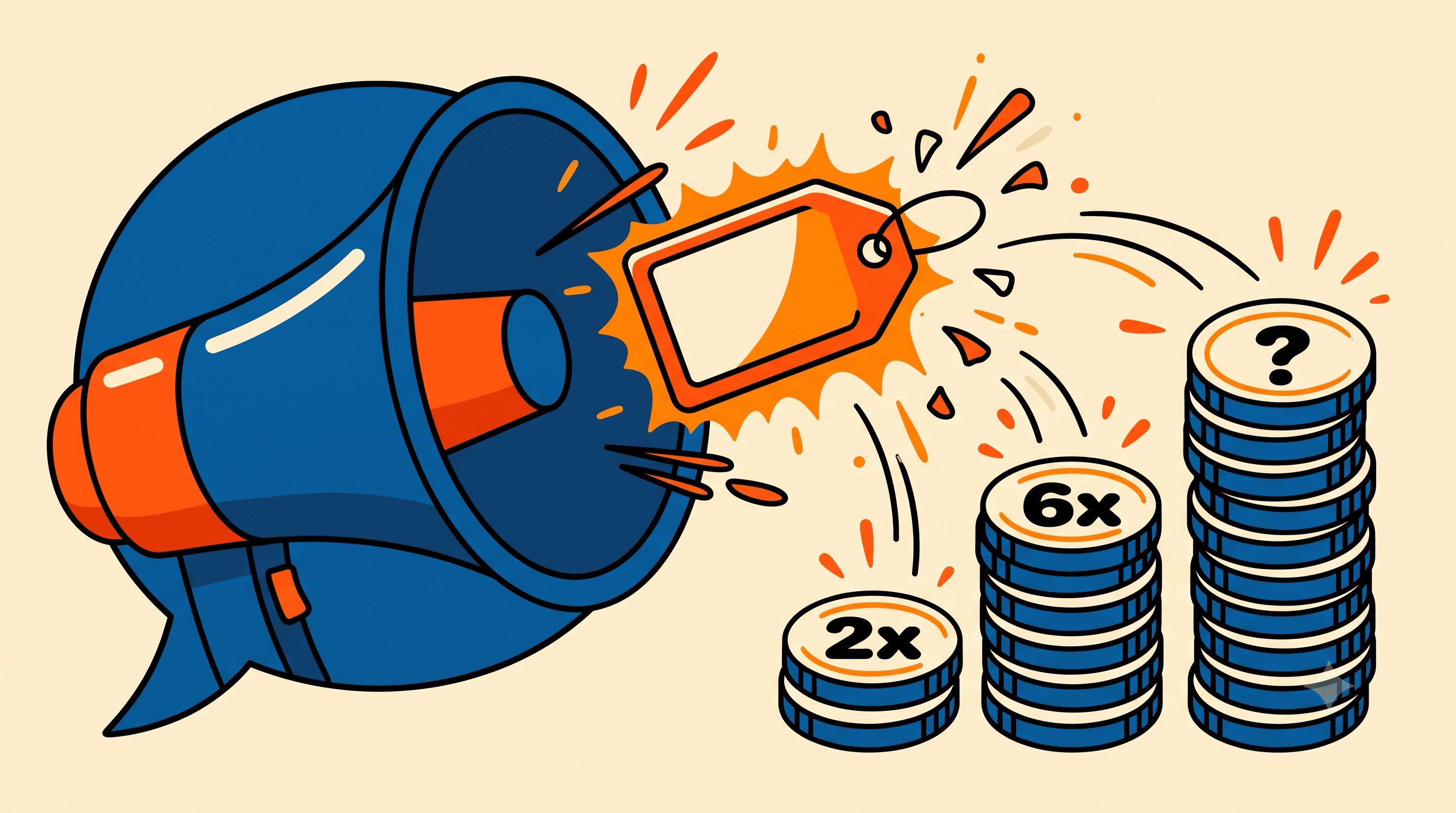
Quick answer: In 2026, most paid LinkedIn creator posts cost between roughly 200 and 2,000 US dollars each, senior B2B voices can reach 2,000 to 15,000 US dollars, and putting ad budget behind a creator's post as a Thought Leader Ad typically adds a 20 to 40 percent access premium to the organic fee plus the media spend itself. Reported results for Thought Leader Ads range from LinkedIn's own "about double the click-through rate" to third-party studies showing six times the click-through rate, so budget from the conservative number and test.
Written by Kelvin Mark , IndianSMMServices.com | October 7, 2026
A Thought Leader Ad is a paid boost behind a real person's LinkedIn post rather than a company page post. It shows up in the feed like normal content from that individual, with a small promoted label. In March 2024, according to coverage from PPC Land, LinkedIn widened the format so brands could sponsor content from any member, not only their own staff, with the original author approving each request. A later update reported by Social Media Today on October 30, 2025 added discovery inside Campaign Manager, so marketers can find posts that mention their brand or event and request permission to promote them; LinkedIn described that rollout as starting in select countries.
The constraints matter more than the pitch. LinkedIn's own specifications page says the advertiser cannot add a headline or introductory text, there is no call-to-action button, and URLs are not added to the ad, although a link the author put in the original post stays live. Only single-image and video posts are called out as promotable in that specification, and the page states plainly that posts with multiple images, polls or documents cannot be promoted. A practitioner guide from ZenABM adds that text posts, articles and newsletters also work, and that third-party creators must approve the request and carry a partnership label when the work is paid. If your brief depends on a button, a custom headline or a carousel document, this format is the wrong tool.
Most articles quote a single click-through rate and move on. The sources disagree, and the disagreement is the useful part. LinkedIn itself says Thought Leader Ads earn about twice the click-through rate of other single-image ads with the same objective. A ZenABM analysis of 119 Thought Leader Ads with more than 300,000 US dollars of spend reports a median click-through rate of 2.68 percent against 0.42 percent for single-image ads, which is closer to six times, and a median cost per click of 2.29 US dollars against 13.23 US dollars. A separate pricing roundup attributes a 2.68 percent versus 0.44 percent comparison to a ZenABM sample of 161,256 ads, and cites a different study of roughly 3.5 million US dollars of spend by a firm called Fractional Demand showing 0.51 US dollars per click for Thought Leader Ads against 2.42 US dollars for standard formats.
That is a 2x claim, a 6x claim, and two cost-per-click pairs that differ by a factor of about four and a half. These cannot all be the average case. The samples differ in industry, audience size, objective and spend level, and the vendors publishing them sell Thought Leader Ad management. The honest reading is that the format very likely beats single-image sponsored content on click-through, that the size of the advantage is unsettled, and that you should plan around LinkedIn's conservative figure and treat anything higher as upside you must prove in your own account. I report the range and do not pick a winner.
Creator fees are the part of the budget that never appears in Campaign Manager. A Favikon analysis of 136 LinkedIn influencers, as summarised by ContentGrip, found that roughly 81 percent of creator posts were priced between 200 and 2,000 US dollars, with the full spread running from 10 to 7,500 US dollars. A separate 2026 analysis from InfluenceFlow, reported in the same piece, puts B2B thought-leader posts at 2,000 to 15,000 US dollars, with video and very senior audiences at the top.
By follower tier, the same roundup gives nano creators under 10,000 followers about 200 to 800 US dollars for general audiences and 500 to 2,500 US dollars when the niche is B2B, micro creators between 10,000 and 100,000 followers 500 to 5,000 US dollars, macro creators between 100,000 and 500,000 followers 5,000 to 20,000 US dollars, and accounts above 500,000 followers 15,000 to 50,000 US dollars or more. Ahrefs marketer Igor Gorbenko is quoted as saying most sponsored creators in the marketing niche charge 500 to 2,000 US dollars a post.
The add-ons are where budgets drift. Carousel posts reportedly cost 20 to 35 percent above a base text rate, native video 40 to 80 percent above, exclusivity clauses 25 to 50 percent more, and co-authorship one and a half to two times the standard post rate. Access to run the post as a Thought Leader Ad is quoted at 20 to 40 percent above the organic fee. Notice that the platform media cost sits on top of all of that.
Here is a worked example, clearly illustrative arithmetic and not a quote from any source. Suppose an agency books four nano or micro B2B creators at 800 to 2,000 US dollars each. That is 3,200 to 8,000 US dollars in organic fees. Add the 20 to 40 percent Thought Leader Ad access premium and the fee line becomes about 3,840 to 11,200 US dollars. Then add a two-week boost per creator at a 50 to 100 US dollar daily floor, which is 2,800 to 5,600 US dollars across four creators. The all-in total for the campaign lands near 6,640 to 16,800 US dollars before agency fees. The same roundup anchors a foundational three-to-five micro-creator programme at 1,500 to 15,000 US dollars plus 20 to 40 percent for amplification, which is consistent with that band.
If you already track outcomes in a structured way, the 30-day UTM reporting guide shows how to tag these clicks so creator spend can be tied back to leads. The provider scorecard applies the same discipline to any growth vendor you bring in alongside creators.
The main risk in this format is paying a premium for an audience that is not what the profile suggests. Before signing, ask for analytics screenshots of the last ten posts covering impressions, reactions and the job titles and industries of viewers, and compare the engagement rate to the follower count. One dataset of more than 40,000 profiles cited in the ContentGrip roundup found micro creators between 10,000 and 50,000 followers earning a 3.83 percent median engagement rate against a 2.94 percent platform median, so a large account with a tiny engagement rate is a warning sign, while a small account with strong, relevant comments is often the better buy.
Also respect LinkedIn's rules. A third-party summary of LinkedIn's User Agreement reports that it prohibits using bots or other unauthorised automation to comment on, like, share or otherwise drive inauthentic engagement, and the platform reserves the right to restrict or terminate accounts that break its terms. That applies to engagement pods and scripted commenting as well. Do not ask a creator to gather likes from a pod to make a boosted post look stronger, because it risks the creator's account and your brand with it. The fix for a weak post is better writing and sharper targeting, not manufactured reactions.
Disclosure is the other half. Paid collaborations should carry a partnership label, and any creator agreement should say who owns the content, how long the brand may boost it and whether the creator may work with competitors. Our guide to streamer sponsorships on Kick walks through the same logic for a different platform: public rate cards rarely exist, so the buyer's due diligence is the real price control.
A Thought Leader Ad is bought with real reach to real decision-makers. No best SMM panel, cheapest SMM panel or top SMM panel can create approved creator partnerships, senior viewer demographics or pipeline, and purchased engagement will not make a creator's post perform better in the auction. People who buy Instagram followers for a consumer brand sometimes assume a similar shortcut exists on LinkedIn; it does not, and LinkedIn's user agreement makes inauthentic engagement a policy risk.
What a panel can legitimately support is baseline credibility for a company page that has almost no audience, so that when a boosted creator post sends visitors to your page they do not land on an empty profile. Our LinkedIn company page guide covers what proportion looks credible and what LinkedIn may flag. If you run paid media across several platforms, the Reddit Ads agency guide gives a comparable cost framework, and the full catalogue of available services is on the services page.
This guide is written by Kelvin Mark, who founded IndianSMMServices.com in 2019 and manages it today. IndianSMMServices.com sells social media growth services, including LinkedIn services, so I have a direct financial interest in LinkedIn marketing in general. This article does not recommend a panel purchase as a way to win on Thought Leader Ads, and I do not run a creator marketplace or earn commission from any creator or tool named here.
Figures come from sources I read directly in October 2026: LinkedIn's own Thought Leader Ads specifications page, PPC Land's March 2024 report on the third-party expansion, Social Media Today's October 30, 2025 report on Campaign Manager discovery, ZenABM's analysis of Thought Leader Ad performance, and ContentGrip's 2026 LinkedIn influencer pricing roundup, which itself cites Favikon, InfluenceFlow, Fractional Demand and SociaVault. Where sources conflict I report the range. Where a figure was secondhand inside another article, I say so. The LinkedIn User Agreement point comes from a third-party summary of the clause and not from a direct read of the agreement, so check the current text before relying on it in a client contract.
Creator pricing on LinkedIn is not published, and every rate here is a self-reported or analyst-estimated range, often from vendors who sell services in this space. The performance benchmarks come from different samples and cannot be combined into one average. I could not confirm whether the Campaign Manager discovery feature is available in India or in your market, since LinkedIn described the rollout as limited to select countries. The worked budget example is my own arithmetic on quoted ranges, not a quote or a forecast. Finally, I did not test any of these campaigns myself, so treat everything here as research to plan with and not as results to expect.
Thought Leader Ads are paid promotions of a real person's LinkedIn post instead of a company page post. The ad appears like a normal feed post from the individual with a small promoted label, and since 2024 brands can sponsor posts from members who are not their own employees, provided the author approves.
There is no single published price. One 2026 pricing roundup puts Thought Leader Ad CPMs at roughly 55 to 110 US dollars for broad B2B targeting and 150 to 300 US dollars for very narrow audiences, while performance studies report median click costs anywhere from about 0.51 to 2.29 US dollars. The ranges disagree because the samples and targeting differ.
One analysis of 136 LinkedIn creators found that about 81 percent of posts were priced between 200 and 2,000 US dollars, with a full spread from 10 to 7,500 US dollars. A separate 2026 analysis puts senior B2B thought-leader posts at 2,000 to 15,000 US dollars. Treat both as directional, not as a rate card.
No. The author must approve the request, paid collaborations need a partnership label, and LinkedIn does not allow promotion of posts that are polls, documents or multi-image posts. The advertiser also cannot edit the creator's copy.
According to LinkedIn's own specifications page, no custom headline or intro text can be added by the advertiser, there is no call-to-action button, and URLs are not added to the ad itself. Links that the author placed in the original post stay active.
Kelvin Mark founded IndianSMMServices.com in 2019 and manages it today. Because the company sells social media growth services, this guide discloses that financial interest and avoids presenting any panel service as a substitute for a creator partnership or paid media.
Next step: If you are building a LinkedIn presence for a B2B brand and need baseline page credibility before a creator campaign, review the available options on the IndianSMMServices.com services page, and keep paid creator budget for real reach.
IndianSMMServices.com is an India-based Social Media Marketing (SMM) panel that provides wholesale-priced growth and engagement services across various social media platforms. Founded in 2019, the platform operates as a bulk supplier where individuals, digital marketing agencies, and resellers buy automated engagement metrics.
© 2019–2026 IndianSMMServices. All rights reserved.
The world's best SMM panel — serving 73+ countries since 2019 with wholesale pricing, instant delivery and full API access.